What is the true significance of pilgrimage? “Where are we really going? Always home.” — Novalis
The history of mankind is the history of leaving and returning. We always go there and back again. Never only there — always there and back again.
Somehow, we all know that if we stay at home, without The Adventure, we will never become who we are. We need the Road, the Way. We must find the “golden child” within — using Jung’s archetype. The road goes ever on and on, down from the door where it began, and it is a road “there and back to yourself.”
Any road can become a way back to yourself — if you recognize it as The Way, the Tao. People step out the door because of an inexplicable yearning, an inner urge. Whether I go to Tahiti, Yellowstone, or a park across town, I don’t really go to a place — I go to a person: back to myself.
Hermann Hesse wrote in The Journey to the East:
“Each man had only one genuine vocation — to find the way to himself.”
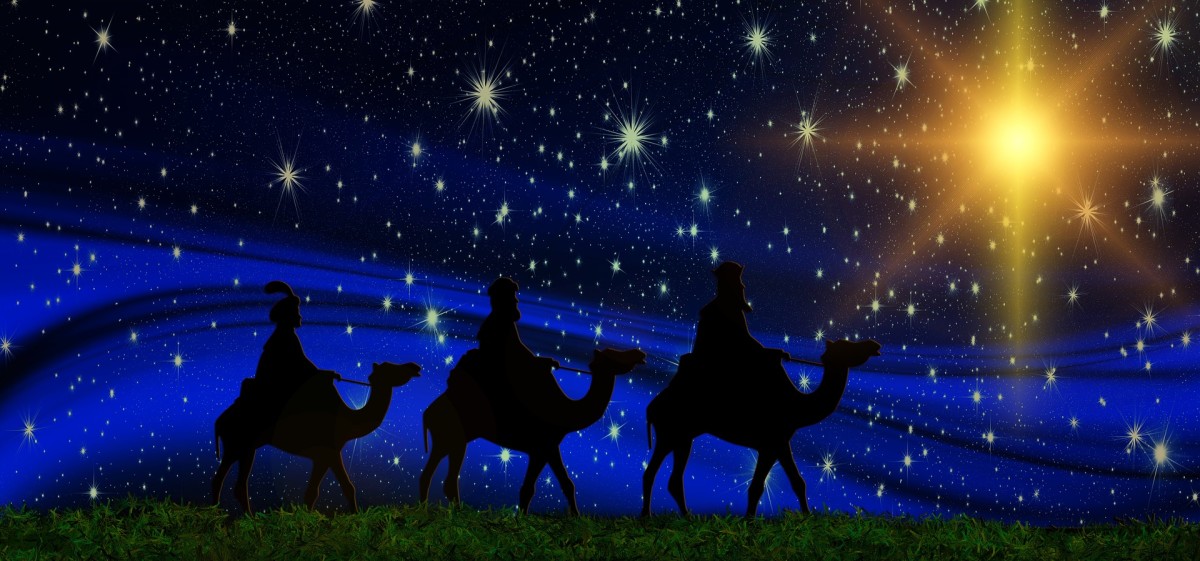
In the wake of World War I, Hesse became keenly aware of pilgrimage as the only way a person can remain sane in an insane world. We are all pilgrims, following yonder star. We caught a glimpse of it amid the fray, chaos, confusion, and disillusionment of our hope-shattering times.
It calls us by its otherworldly light to go and look for the Child. But how do you tell of such a journey? Hesse’s allegory The Journey to the East captures his uncanny experience of pilgrimage to the “Land of the Morning Star” — his quest to remain spiritually alive in a world gone mad.
What do we need in order not to go mad with the world, which Jung described as undergoing a “collective psychosis”?
According to Hesse, we need to remember. To recall the star we once saw and set out on pilgrimage. The way to the star is The Way. There, on the boundless stretches of time and space, we will encounter the real and the mythical alike. We will meet Melchior, Balthasar, and Caspar — the Magi — who saw the star too and embarked on the same journey.
“For our goal was not only the East, or rather the East was not only a country and something geographical, but it was the home and youth of the soul, it was everywhere and nowhere, it was the union of all times.” — Hermann Hesse, The Journey to the East
The Pilgrimage is something we yearn for and yet fear the most.
“It’s a dangerous business, Frodo, going out your door. You step onto the road, and if you don’t keep your feet, there’s no knowing where you might be swept off to.” — Bilbo Baggins
Bilbo secretly longed for The Journey. Gandalf’s nudge out the door was not an act of forcing — it was the awakening of Bilbo’s own dreams: the desire to go there and back again. Bilbo had glimpsed “the star” before. He remembered its mysterious call — and he hated himself for not following it.
Deep down, he knew that the worst tragedy under the sun is not to go on a journey.
Hesse writes:
“Once in their youth the light shone for them; they saw the light and followed the star, but then came reason and the mockery of the world; then came faint-heartedness and apparent failure; then came weariness and disillusionment, and so they lost their way again, they became blind again. Some of them have spent the rest of their lives looking for us again, but could not find us. They have then told the world that our League is only a pretty legend and people should not be misled by it.”
To see the Star is a dangerous thing — it calls us back to ourselves. The world tells us it is “a pretty legend,” nothing more, but the heart tells a different story. The heart yearns for nothing less than to become a Pilgrim and join the League.